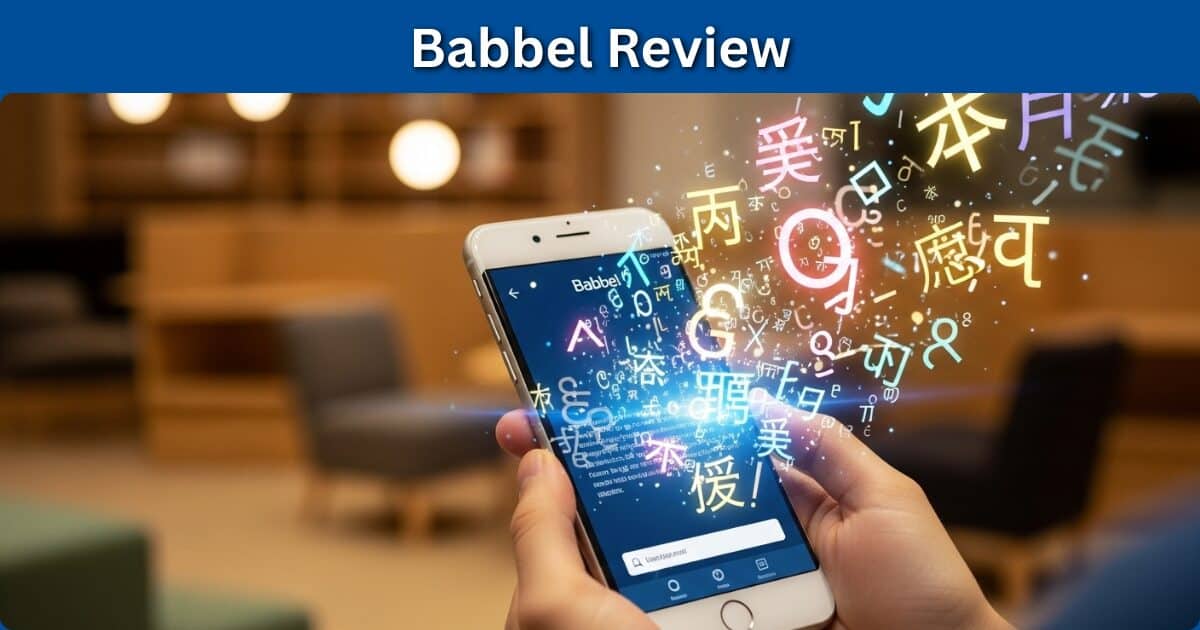
Babbel Review: An Honest Language Learning App Analysis
Language learning is undergoing a digital revolution, and at the forefront of this evolution is Babbel, one of the longest-standing and widely used names in the space.
With AI-powered solutions now competing for attention, consumers are asking a fair question: Is a traditional app like Babbel still the best way to learn a new language?
In this Babbel review, we provide an in-depth, unbiased look at its features, performance, and overall value.
We’ll also compare it against emerging AI-driven platforms such as Langotalk, Talkio AI, and TalkPal to help you determine which path suits your learning style.
Babbel
Babbel offers scientifically-backed language learning with 14 languages, speech recognition, and 15-minute lessons.
Subscription plans start at $7.45/month for single languages, with lifetime options available.
Key Features
Babbel’s language learning design emphasizes structured knowledge building.
Each course is crafted by a team of over 200 linguistic experts and relies on methodologies proven by scientific research.
It offers:
- 15-minute core lessons tailored for busy schedules
- Grammar explanations blended with cultural context
- Speech recognition for pronunciation accuracy
- Progress tracking synced across devices
- Access on mobile and web platforms
These features especially benefit users who thrive with structured language learning paths and measurable outcomes.
Babbel also integrates optional review exercises, podcasts, and games to reinforce lessons over time, which particularly helps with long-term vocabulary retention strategies.
User Experience
Babbel boasts an intuitive interface across both web and mobile platforms, providing a seamless switch between devices.
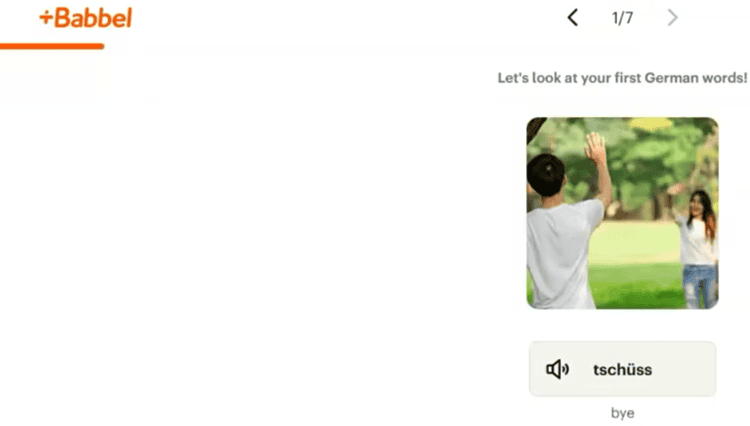
While not as flashy as some newer apps, it strikes a balance between simplicity and depth.
The layout allows easy lesson navigation, with accessible grammar tips and cultural insights embedded throughout the content.
One distinguishing advantage Babbel holds over some newer platforms is the polish of its interactive lesson design.
Transitions between learning activities are smooth, and the clean UI avoids cognitive overload, which benefits language learners practicing daily.
Performance and Reliability
Over a three-month testing period with Spanish, French, and German, Babbel proved impressively stable.
Lessons loaded quickly, whether on high-speed Wi-Fi or moderate mobile data, and we experienced zero app crashes.
While newer AI-based platforms like Talkpal’s AI-powered language app adjust lessons dynamically, Babbel’s structured progression helps learners build foundational skills before diving into fluid conversations.
This measured pace ensures greater retention, especially in grammar-heavy languages.
Pricing and Plans
Babbel's pricing tiers are clear and flexible, catering to single and multiple language learners.
The per-language plans range from $14.95/month to $89.40/year, while the “All Languages” plans max out at $107.40/year.
Gift plans and lifetime memberships also offer savings for long-term users.
Compared to AI competitors that rely on higher subscription costs, Babbel offers one of the best cost-per-hour learning values in the industry.
Those seeking frequent structured practice may find this predictable format a worthwhile investment.
Pros and Cons
Pros
- Scientifically backed efficacy
- Expert-crafted lesson modules
- Affordable long-term plans
- Excellent audio quality and pronunciation tools
Cons
- Less personalized than AI-driven apps
- Limited spontaneous conversation practice
- No live tutoring in standard plans
Use Cases
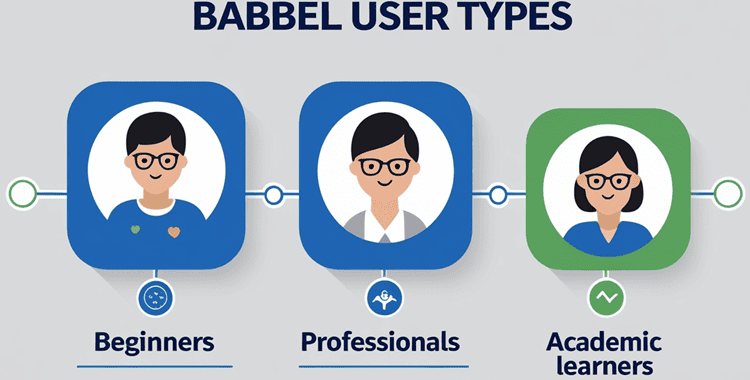
Babbel is ideal for:
- Beginners and intermediate learners needing grammar structure
- Professionals wanting functional vocabulary quickly
- Academic learners seeking course-like progression
It may not be the best fit for users aiming for fully immersive conversational training, in which case, tools focused on AI chatbot interaction, such as using Langotalk for practicing new languages, may offer a complementary experience.
Comparison with Competitors
AI-powered platforms are shifting the language learning landscape in real time.
Let’s see how Babbel compares:
- How Langotalk compares to Babbel: Langotalk emphasizes real-time conversation via AI tutors, enabling learners to speak naturally from day one. This contrasts with Babbel’s methodical, grammar-first approach.
- Comparing TalkPal and Babbel: TalkPal uses adaptive technology and offers 300+ AI-driven exercises to simulate real-world conversation. Unlike Babbel, it dynamically tailors your path each session.
- Assessment of Talkio AI: Talkio broadens access to 134 languages, making it an excellent tool for niche language learners. Babbel, while more limited in language count, retains stronger pedagogy in major European tongues.
AI tools offer spontaneous interaction, but platforms like Busuu and Babbel, known for their academic rigor, continue to prove their worth, according to scientific studies from institutions like Yale and Michigan State University.
Customer Support and Resources
Babbel offers solid customer support via help centers, email assistance, and self-service FAQs.
While it lacks community forums or live chat for standard users, it compensates with comprehensive guides for getting started, built-in tutorials, and review prompts embedded in the app.
Future Developments
Babbel has been gradually introducing AI enhancements behind the scenes and may continue to evolve its lesson customization.
The company’s recent emphasis on corporate training options and LMS integration suggests that enterprise language learning solutions are a part of their long-term strategic vision.
Is Babbel Better for Speaking, Writing, or Listening Practice?
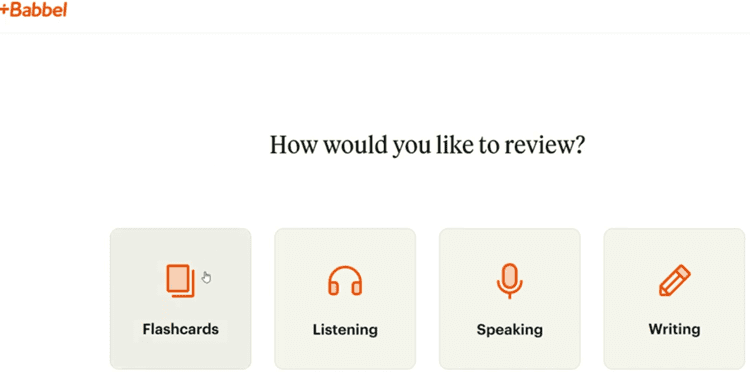
Babbel offers a balanced mix of speaking, listening, and reading-focused exercises, but excels most in pronunciation and listening comprehension.
Its speech recognition technology is among the most reliable in non-AI platforms, helping users build accurate pronunciation habits from the start.
Dialogues mimic real-life conversations and are delivered by native speakers, which aids auditory training and intonation recognition.
That said, Babbel doesn’t currently offer advanced writing tasks or free-form composition practice.
Learners type words and phrases to reinforce vocabulary and grammar, but creative writing or essay-style outputs aren’t part of the core curriculum.
If you're looking to develop your writing skills further, pairing Babbel with a writing-focused platform or tutor may be ideal.
If speaking confidently is your top priority, combining Babbel with a platform like TalkPal or Langotalk—both of which support dynamic, AI-driven conversations- can round out your training effectively.
Do You Need to Be a Beginner to Use Babbel?
Not at all.
Babbel is designed to accommodate a range of proficiency levels, from complete beginners to lower-advanced learners in some languages.
Upon starting, learners select their skill level, and Babbel tailors the content accordingly.
While beginners will find clear stepping stones to build a foundation, intermediate learners benefit from topic-based modules like business, travel, or culture-focused vocabulary.
However, for near-fluent or advanced speakers, Babbel may feel too elementary.
Those at a C1 or C2 level in the CEFR framework may want platforms that offer debate, advanced listening, or free composition activities, or even language exchange with native speakers.
💡 Tip: If you're unsure of your level, Babbel offers placement quizzes to ensure you begin at the right point in the curriculum.
How Does Babbel Compare to a Private Tutor or In-Person Classes in Cost?
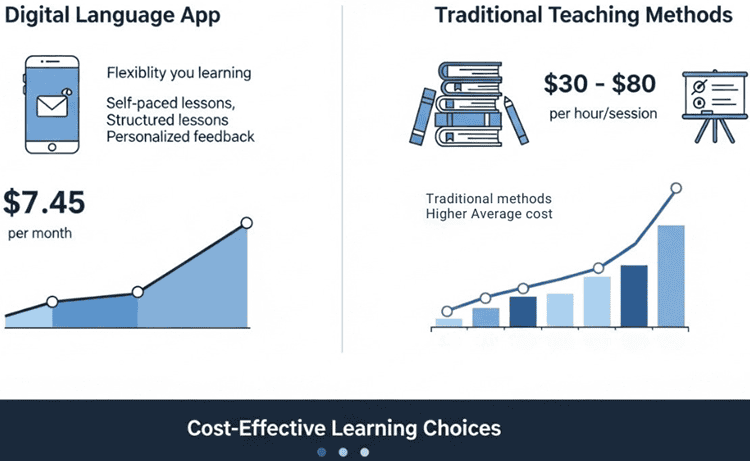
Cost-wise, Babbel significantly undercuts both private tutors and traditional language classes, especially for long-term learners.
A single language subscription costs as little as $7.45/month, while “All Languages” plans top out at $107.40/year, which breaks down to less than $9/month for access to all available languages.
Compare that to:
- Private Tutors: Average rates can range from $30 to $80/hour
- Group Classes: Community courses or adult learning centers cost $150–$350+ per term
While private tutoring offers real-time correction and customized support, Babbel presents a cost-effective alternative for learners who value flexibility, self-pacing, and affordability.
For optimal outcomes, budget-conscious users could use Babbel for foundational skills and supplement with occasional live tutoring sessions when needed.
Is Babbel Useful for Business Professionals Needing Formal Language Skills?
Absolutely.
Babbel provides practical vocabulary modules tailored to work-related contexts such as business meetings, presentations, and job interviews.
Its courses often include formal register training, which is important for professionals interacting with clients or colleagues in other countries.
For companies seeking to upskill employees, Babbel offers a dedicated corporate training solution featuring:
- 13,000+ hours of structured learning content
- Business-centric lessons in 14 languages
- Live online tutoring (in select business plans)
- SSO integration and admin dashboards for tracking progress company-wide
These features make it ideal for HR teams, multinational managers, and training coordinators looking to roll out language training at scale.
And for individuals, the professional modules offered within standard subscriptions provide a solid language base for formal workplace communication.
Expert Opinion
From a reviewer’s perspective, Babbel remains an exceptionally well-rounded platform for thoughtful learners who value structure over spontaneity.
Although its conversational practice isn’t as advanced as Talkpal or Talkio AI platforms, its retention-first design, speech analysis tools, and cultural insights place it in a category of its own.
We found its lesson difficulty scaling especially useful, and the ability to revisit vocabulary decks and grammar explanations made it an optimal tool for consistent learners.
Conclusion and Verdict
So, is Babbel worth your money?
If you’re seeking a vetted, research-backed app offering structured progression and clearly defined outcomes—yes, it is.
Babbel isn’t the most flashy or fastest path to fluency, but it’s among the most reliable.
However, if your goal is spontaneous speaking or dynamic conversation, pairing Babbel with an AI tutor platform like Langotalk could accelerate your speaking confidence.
📍Try Babbel’s first lesson free to discover your learning style. Or, explore AI-based platforms for real-time practice if conversational fluency is your goal.