Gliglish vs TalkPal: Complete AI Language Learning Comparison
In an era where language learning is rapidly being redefined by artificial intelligence, two platforms stand at the forefront—Gliglish and TalkPal.
AI-powered language tools promise convenience, personalization, and affordability.
But if you're choosing between them, which should you trust on your journey to fluency?
The debate of Gliglish vs TalkPal is gaining traction among language learners, educators, and even businesses interested in scalable language training.
Both offer distinct features, price points, and use-case applications.
Whether you're a beginner aiming to learn Korean through speaking practice or a polyglot exploring your seventh language purely for fun, this in-depth review will help steer your decision.
Below, we'll compare them across key areas: language support, AI capability, scenario variation, pronunciation feedback, pricing, and more.
Let’s determine who truly earns your attention and subscription.
🔍 Gliglish vs TalkPal at a Glance
Gliglish is best for beginners or institutional use, offering structured, voice-first learning and native-language support. TalkPal wins on immersion and language breadth, ideal for polyglots and advanced learners seeking deep, scenario-rich practice.

Gliglish
12x cheaper than traditional teachers.
30+ languages with transliterations for Asian scripts.
Perfect for pronunciation-focused learners on a budget.
TalkPal AI
57+ languages available.
300+ unique experiences including debates and characters.
Comprehensive pronunciation assessment across all supported languages.
Our Pick:
- ✅ TalkPal for most individual users, thanks to its broader language support, full pronunciation feedback, and transparent pricing.
- ✅ Gliglish for beginners or educators, offering native-language queries, simple UI, and powerful admin tools.
Key Differentiators:
- 💬 TalkPal: 57+ languages, 300+ roleplays, detailed pronunciation scoring
- 🎓 Gliglish: Multilingual help, transliteration tools, LMS-ready dashboard
Want to see which fits your goals—and learning style?
Read on for our detailed analysis.
Quick Comparison Table
| Feature | Gliglish | TalkPal | Winner |
|---|---|---|---|
| Languages Supported | 30+ language variations | 57+ full languages | TalkPal |
| Pronunciation Feedback | US English only | All supported languages | TalkPal |
| Real-Life Scenarios | 70+ (roleplays + lessons) | 300+ immersive experiences | TalkPal |
| AI Features | GPT-powered w/ multilingual support | GPT-powered w/ enhanced personalization | Tie |
| Institutional Tools | Strong admin features | Limited info available | Gliglish |
| Free Tier | 10min/day, 50-msg limit | 10min/day, more premium features | TalkPal |
| Best for Beginners | Yes, native language support | Yes | Gliglish |
Key Features
Both Gliglish and TalkPal are built on powerful GPT foundations, meaning they offer human-like conversations that react contextually.
But some nuanced differences matter depending on your learning needs.
Gliglish: Speak to Learn
Gliglish is designed around the concept of learning like a child, through conversation, not text-first memorization.
With features like conversation starters, mini-classes, transliterations for languages like Japanese and Thai, and multilingual speech recognition, it caters especially to beginners.
Its clean UI, adjustable AI speed, immediate feedback, and contextual translations make it unintimidating for users just starting out.
Features such as grammar correction and click-to-explain vocabulary enrich the experience without overwhelming the learner.
One standout feature is its ability to recognize queries in your native language, translating them into learning opportunities in your target language. This is an asset often overlooked in similar tools.
TalkPal: Immersion for the Ambitious Learner
TalkPal, by contrast, focuses on immersive experiences with over 300 unique roleplays, debates, and character interactions.
This is great for hobby learners and polyglots.
It supports 57+ languages including less common options like Hebrew, Arabic, and Dutch.
Its strengths lie in personalized learning journeys, real-time pronunciation grading (for all languages), and debate-style exercises to stretch fluency skills.
If you're working on accent improvement or aiming for professional-level engagement, TalkPal’s structures offer added value.
Its adaptive learning engine detects your pace and adjusts the types of conversations appropriately.
For learners prioritizing immersion and complexity, skip ahead to see how each platform supports advanced practice, freeform dialogues, and AI-powered personalization.
Advanced Capabilities and Flexibility
📚 Advanced Language Practice: Who Delivers the High-Level Challenge?
For intermediate and advanced learners, typical phrase drills aren't enough; they crave dynamic conversations, nuanced grammar correction, and realistic problem-solving discussions.
Here's how Gliglish and TalkPal stack up when it comes to high-level fluency training.
TalkPal: The Choice for Complex Conversations
TalkPal excels in offering challenging content that mimics real-life debates, negotiations, and in-depth interviews.
Its 300+ immersive experiences evolve with your skill level, gradually exposing you to cultural subtleties, idiomatic phrases, and contextual irony.
These are important skills for fluent and flexible communication.
Its debate mode is particularly strong, engaging learners in structured disagreements, complete with counterpoints and rebuttals.
This mimics naturally competitive dialogue structures found in academic, political, or professional interactions.
You’ll also benefit from its comprehensive pronunciation scoring in all supported languages, helping you remain phonetically sharp even at higher levels.
Gliglish: Structured, But Not Limiting
While Gliglish has a reputation for beginner-friendliness, don’t underestimate its capabilities at higher levels.
Through open-ended conversations, custom roleplay requests, and advanced vocabulary exposure, Gliglish supports learners looking to fine-tune grammar, build fluency, and strengthen active recall.
Its ability to interpret questions in your native language still holds value, particularly when dealing with complex grammar explanations.
And though it lacks a formal “challenge mode,” its click-to-translate and explain tools remain useful even for upper-level learners needing quick clarification without dropping out of conversation flow.
💬 Freeform Conversations vs Scripted Scenarios: How Natural Is the Flow?

One common concern among language learners is whether they're stuck in rigid lesson structures, or if they can engage the AI in authentic, spontaneous conversations, just like talking to a real person.
Gliglish: Guided but Flexible
Gliglish gives you a blend of semi-structured flows with natural language adaptability.
Whether you're choosing a roleplay, mini-class, or “Talk to Gliglish” prompt, you're free to change the topic, ask questions, or steer the dialogue in a new direction at any point.
This hybrid model helps users stay on track while building confidence, especially in the early and intermediate stages.
Furthermore, if you're unsure what to say, Gliglish offers conversation suggestions to help you maintain momentum. This is an underrated feature when learning solo.
TalkPal: Full Control, Open Expression
TalkPal leans more toward open-dialogue immersion.
You can start or end a conversation on any topic, shift roles fluidly, or even test multiple responses to see language nuances at play.
Its character-based chats allow you to explore tone, formality, and setting, offering learners the freedom to experiment with communication style.
Whether you want to chat with a “marketing director in Paris” or “a tourist in Tokyo,” the AI maintains contextual continuity, enabling a more unscripted feel.
That’s particularly powerful for learners simulating real-world interactions with cultural variation.
🎯 Best for: Users who want to simulate travel, work, or debate situations without content boundaries.
🧠 Personalized Learning Paths: Who Adapts Better?

AI language tools should adapt to you, not the other way around.
Today’s learners expect systems that learn from their mistakes and progress, offering content suited to their pace and goals.
So how do Gliglish and TalkPal personalize the journey?
TalkPal: Dynamic Adaptation in Real Time
TalkPal offers more advanced adaptive learning algorithms.
Based on your performance, whether in grammar usage, fluency, or task completion, TalkPal fine-tunes your next interactions, suggesting specific scenarios, accent drills, or grammar targets tailored to your needs.
Its roleplay choices aren’t static: the platform recommends new situations based on past usage, recording your milestones and gaps.
For intermediate and advanced learners, this keeps the journey challenging and relevant.
Gliglish: Personal Support at Your Pace
While Gliglish doesn’t use performance-based branching in the same way, it allows you to adjust speed settings, choose difficulty levels, and filter conversation types.
It also saves your recent chats, helping you track growth and revisit themes you struggled with.
If you're learning in bursts, like on short breaks or during commutes, Gliglish excels at offering bite-sized scenes that don’t require resetting your entire path, making it more adaptable to busy schedules than algorithmically reactive.
User Experience (UX)
Interface Design & Accessibility
Gliglish promotes usability. Its interface is clear, minimal, and easy to onboard.
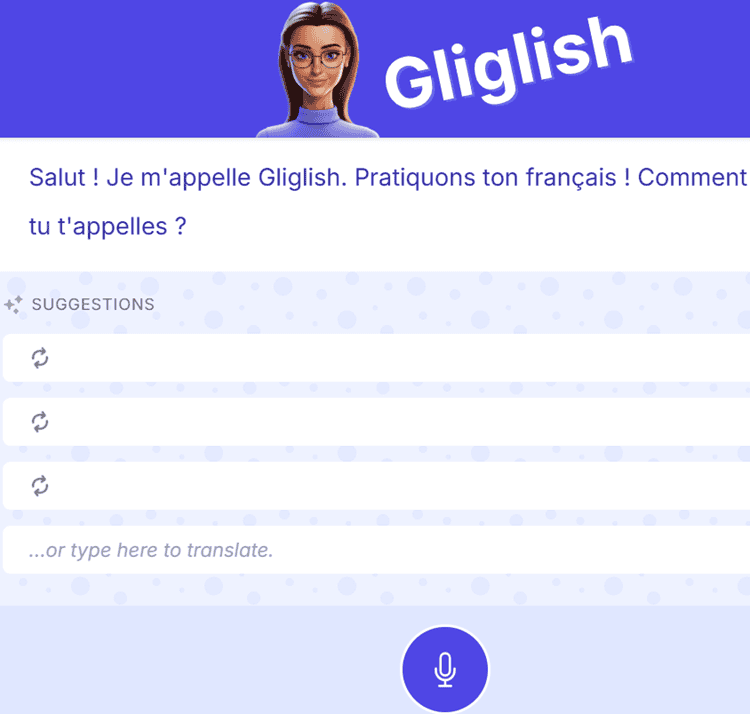
New users can start speaking immediately with no complex installation needed.
Educators especially appreciate its organization features, including classroom-style scenario management and administrative dashboards.
TalkPal’s UI, while less publicly documented, is described by users as colorful, modern, and fluid.
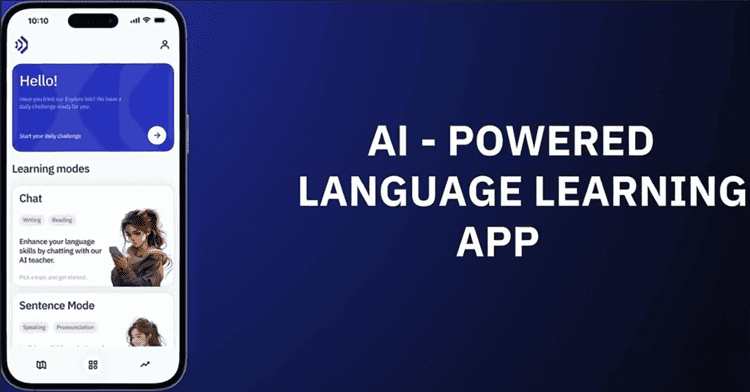
It supports advanced voices and offers a cleaner ad-free free tier even without payment.
Both platforms function on web and mobile, making them ideal for learners on the go.
Learning Curve
Gliglish smooths the curve for beginners.
With built-in mini-lessons on essentials like greetings and time-telling, learners don’t feel thrown into the deep end.
TalkPal, meanwhile, leans into simulation-heavy experiences suited for intermediate to advanced learners.
You can explore learning with TalkPal AI for adventurous learners pursuing multiple languages.
Performance and Reliability
In terms of AI reliability, both platforms use GPT models.
Neither discloses whether they're based on GPT-3.5 or GPT-4, but the outcomes are consistent—accurate, fluid, and context-aware responses.
Gliglish emphasizes responsive control.
You can adjust the speed of AI replies or request conversation suggestions if you’re stuck. This is a rare but useful feature during awkward silences.
TalkPal’s AI is engineered for immersion.
Although it doesn’t offer user-adjustable speed, it appears to respond faster in real-time conversations and sound playback.
Both platforms work best on a strong internet connection and support mobile learning via browsers or progressive web apps.
Pricing and Plans
| Plan Type | Gliglish | TalkPal |
|---|---|---|
| Free Tier | 10-min/day + 50 messages | 10-min/day (no ads) |
| Monthly | $29 | $14.99 |
| Annual | $299 (save $49) | $150 (save 58%) |
| Trial | Not advertised | 14-day free trial |
Gliglish targets institutions by delivering administrative tools, data tracking, and curriculum support, which translates to long-term ROI.
TalkPal is a better choice for individual users seeking an affordable, transparent, and trial-friendly AI tutor.
Pros and Cons
Gliglish
✅ Ideal for beginners
✅ Strong institutional features
✅ Multilingual question support
✅ Excellent contextual teaching (click-to-explain, translations)
❌ Pronunciation feedback limited to US English
TalkPal
✅ 57+ full language support
✅ Debates, roleplays, and characters
✅ Full pronunciation feedback
✅ Transparent pricing and generous trial
❌ Less suited for absolute beginners
Use Cases
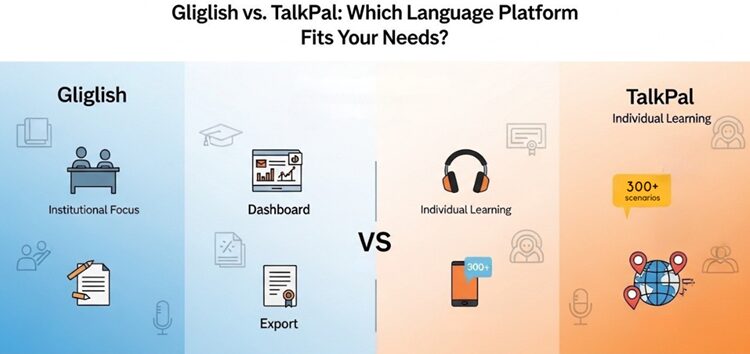
Gliglish thrives in classrooms, remote education, and language boot camps.
It’s especially well-suited for Asian languages that use character-based writing systems, thanks to its transliteration tools.
Its institution-ready dashboard and exportable reports make it an optimal choice for educators and HR professionals.
TalkPal's strengths cater to individual learners, particularly intermediate/advanced students or polyglots.
With its 300+ scenarios and intelligent recommendation system, it satisfies curious learners devouring multiple languages.
Curious about roleplay learning? Check out AI-driven conversational practice strategies you can implement with these tools.
Unique Selling Points
Gliglish’s USP is delivering voice-first language exposure based on decades of pedagogy: speaking like a child for natural fluency.
Its multilingual capabilities and its ability to let you query in one language while learning another lower the barrier for entry.
Meanwhile, TalkPal’s edge lies in breadth and depth of experiences.
If variety keeps you motivated, you’ll thrive in their virtual debate clubs and lifelike dialogue formats.
Expert Opinion
If you’re starting out or learning a language with complex scripts like Chinese, Korean, or Thai, Gliglish is a fantastic guide, thanks to its transliteration guidance, native-language queries, and feedback that doesn’t overwhelm.
For seasoned learners hunting pure immersion and volume, TalkPal delivers richness through diverse and adaptive scenarios.
Gliglish simplifies for clearer learning paths, while TalkPal scales complexity for learners chasing fluency across multiple languages.
Head-to-Head Comparisons
| Feature | Gliglish | TalkPal | Winner |
|---|---|---|---|
| Total Languages | 30+ variations | 57+ full languages | TalkPal |
| Roleplay Content | 70+ experiences | 300+ immersive scenarios | TalkPal |
| Pronunciation Feedback | Only US English | All languages | TalkPal |
| Institutional Tools | Full admin dashboard, LMS, usage reports | Not specified | Gliglish |
| Beginner Friendliness | Multilingual help, simple UI, suggested replies | More advanced format | Gliglish |
| Free Tier Quality | Limited features | Advanced voices, characters & ad-free | TalkPal |
Gliglish
TalkPal AI
Conclusion and Verdict
In the Gliglish vs TalkPal face-off, there’s no all-around winner—only what’s right for your scenario.
Choose Gliglish if you're on a budget, prefer a supportive beginner experience, or you're a school/business needing admin features.
It’s designed for structured growth, especially in complex languages.
Go for TalkPal if you seek deep immersion, maximum language coverage, and intelligent speaking challenges with rich pronunciation feedback.
Still undecided?
Try both platforms’ free tiers and judge firsthand.
And for further learning insights, explore our Gliglish review to learn more.